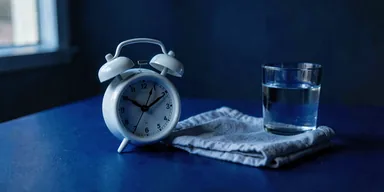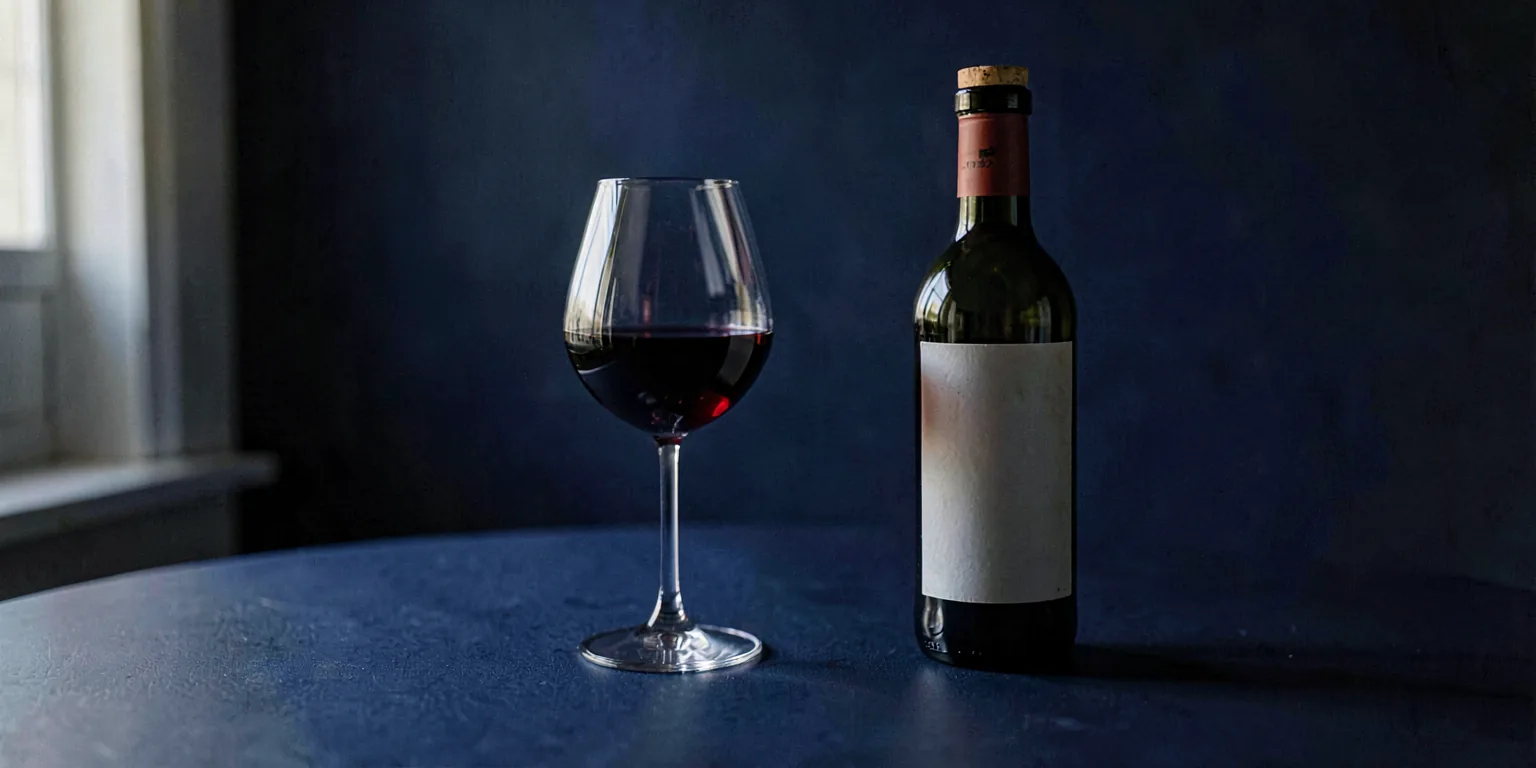
Why alcohol puts you to sleep and then wakes you at 3 a.m.
Sleep-lab studies show a high dose of alcohol shortens the time it takes to fall asleep, but even a low dose disrupts dream sleep, and the later hours of the night suffer.
Nutrition and wellness, with the sources attached
Risk is lowest at about seven hours and climbs on both sides, with the long side climbing faster. In the lab, cutting sleep to four hours builds a deficit one recovery night does not clear.
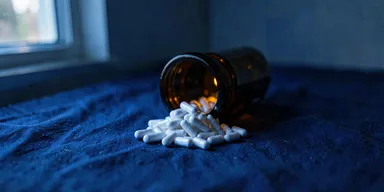
In poor sleepers, magnesium bisglycinate beat a dummy capsule by 1.6 points on an insomnia score over four weeks. Older adults with insomnia fell asleep about a quarter of an hour sooner.
Melatonin stops working better above about 4 mg a night, and the whole effect is minutes of sleep rather than hours. The hour you take it matters more than the number on the bottle.
Melatonin has real evidence behind a small effect. Herbal formulas have a mountain of studies and a credibility problem. Most of the shelf has nothing tested at all.