Why alcohol puts you to sleep and then wakes you at 3 a.m.
Sleep-lab studies show a high dose of alcohol shortens the time it takes to fall asleep, but even a low dose disrupts dream sleep, and the later hours of the night suffer.
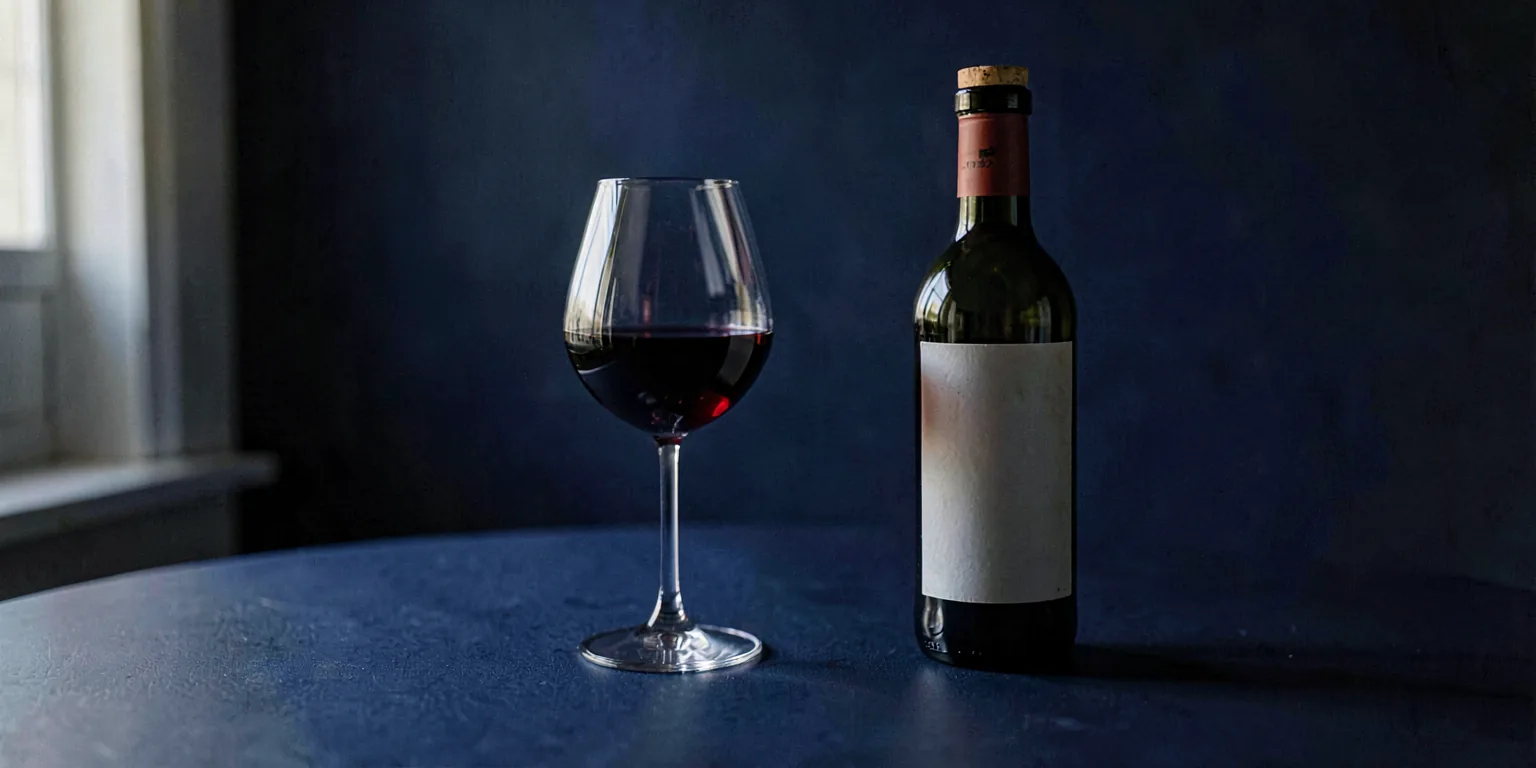
A drink before bed can shorten how long it takes to fall asleep, but only at a fairly high dose. That same dose damages the sleep that follows.1 The trade gets worse as the dose rises. The drink that helps you drop off is also the one most likely to have you awake in the small hours.
What "helps you sleep" actually means in the lab
Sleep researchers measure two separate things. One is how fast someone falls asleep. The other is what the rest of the night looks like once they do. A review that pooled 27 studies on healthy adults found these two outcomes respond to different amounts of alcohol.1 The review found alcohol delayed the start of REM sleep and cut its length. A low dose, roughly two standard drinks, was already enough to disrupt REM sleep, the stage tied to dreaming and memory processing.1 Falling asleep faster and reaching deep sleep sooner only showed up at a high dose, roughly five standard drinks. By then, REM disruption had gotten worse too.1
That is the shape of the trade. There is no dose in this review that speeds up sleep onset without a REM cost attached. The two effects arrive together, and the second one only gets stronger as the first one kicks in.
The first half of the night is not the whole story
A polysomnography study gave healthy volunteers alcohol at bedtime and recorded their brain activity through the night. At a blood alcohol level of 0.1%, alcohol behaved like a short-acting sleep drug for the first several hours. People fell asleep faster. They woke up less. They spent less time in the lightest stage of sleep, and more in slow-wave sleep, the deepest stage, early in the night.2 But in the same night, during the second half, the study already picked up rebound effects, including more of that light stage returning.2 The lower dose tested, a blood alcohol level of 0.03%, showed no clear effects, though the study was small.2
That rebound is a plausible explanation for a rough second half of the night after a nightcap, though the study did not track waking at 3 a.m. itself. The body clears alcohol over the course of the night. Once blood alcohol falls, sleep does not simply continue as it would have without the drink. It shifts toward lighter stages, in the same session where it had looked improved a few hours earlier. The apparent benefit and the later cost happen back to back, inside one sleep period, not on separate nights.
Two more links between alcohol and worse sleep
Both sit apart from the fall-asleep effect.
The first is breathing. A meta-analysis of studies using overnight breathing monitors found that alcohol raised the apnea-hypopnea index, a count of breathing pauses per hour.4 The pooled difference was nearly 4 more events an hour compared with no alcohol.4 The lowest oxygen level reached during the night also ran about 2.7 percentage points lower.4 More pauses in breathing mean more brief arousals, whether or not the sleeper remembers waking the next morning.
The second is heavier, long-term drinking. In people with alcohol use disorder, wrist-worn sleep trackers recorded total sleep time running about 45 minutes shorter on average than in people without the disorder.3 The pooled difference was -44.67 minutes, and the interval around it stayed well below zero.
That is a different population from someone having an occasional evening drink. It shows what heavier, regular drinking is associated with, not what one dose does to one night.
Dose and timing change the trade, but only partly
Put the numbers from the dose-response review next to each other and a rough map appears. Around two drinks, REM sleep starts taking a hit, with no benefit yet to falling asleep faster.1 Around five drinks, falling asleep and reaching deep sleep both speed up, but REM disruption is now worse than it was at the lower dose.1
Timing matters by the same logic, even though none of these studies set out to test a specific number of hours before bed. The rebound pattern documented at bedtime doses of alcohol shows up within the same night, once blood alcohol starts falling.2 It is reasonable to guess that an earlier drink would move that window, but no trial here tested it.
What remains unknown
None of the studies behind this article measured a specific number of hours to stop drinking before bed. Any such number is a guess, not a finding. The dose-response review also flagged large uncertainty in its own totals for overall sleep time, sleep efficiency, and total time spent awake after falling asleep, which is exactly the kind of whole-night summary a person actually cares about.1
The lab studies used single, controlled doses in supervised settings. An evening of mixed drinks at an uncontrolled pace is not the same thing, and none of these trials modeled it directly. Most of this evidence also comes from adults without a diagnosed sleep or alcohol problem. What changes for someone who already has one is a separate picture, and in the case of alcohol use disorder, a considerably worse one.3
What holds across the studies is the shape of the trade-off itself. A fast route to sleep onset comes bundled with a rougher second half of the night, at every dose tested where the fast route appeared at all.1,2
QUESTIONS THIS POST ANSWERS
- How many hours before bed should I stop drinking?
- The trials behind this question tested doses, not gaps before bedtime, so no study here sets a specific number of hours. What they do show is that dose changes the trade: a low dose (about two standard drinks) disrupted REM sleep without shortening the time to fall asleep, while a high dose (about five standard drinks) shortened the time to fall asleep but worsened REM disruption further. The dose data point toward a smaller amount, but no trial measured a cutoff time directly.
- Why do I wake up early after drinking?
- In a polysomnography study, alcohol acted like a short-acting sedative in the first half of the night, cutting the time to fall asleep and the number of times people woke, but rebound effects, including more light sleep, were already showing up by the second half of the same night. People with alcohol use disorder, a different group from occasional drinkers, also sleep less: actigraphy studies found their total sleep time was shorter by an average of about 45 minutes compared with people without the disorder.
REFERENCES
Each reference was re-checked against PubMed before publication. How sources are checked
- 1Gardiner C, et al. The effect of alcohol on subsequent sleep in healthy adults: A systematic review and meta-analysis. Sleep medicine reviews. 2025. Source
- 2Feige B, et al. Effects of alcohol on polysomnographically recorded sleep in healthy subjects. Alcoholism, clinical and experimental research. 2006. Source
- 3Paredes Naveda AM, et al. Actigraphy-based sleep outcomes in substance use disorders: A systematic review and meta-analysis. Sleep medicine reviews. 2026. Source
- 4Burgos-Sanchez C, et al. Impact of Alcohol Consumption on Snoring and Sleep Apnea: A Systematic Review and Meta-analysis. Otolaryngology--head and neck surgery. 2020. Source